
Injectors
Chemical and foam injectors introduce detergent into the water stream of professional pressure washing and cleaning systems. UMYTEC offers primarily R+M Suttner injectors, including the ST-160, double ST-164, ST-167 without compressed air and ST-168 with compressed air.
The correct injector must be matched to the water flow, working pressure, injector nozzle size, chemical dosing requirement and downstream foam equipment. Depending on the application, choose between single or double chemical suction, interchangeable dosing inserts or adjustable ST-161 metering valves, and systems with or without compressed air.
Browse the available injectors below or compare the main R+M Suttner systems in our technical guide.
Product sorting
List of products
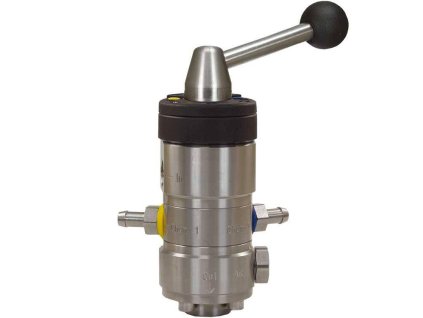
R+M Suttner ST-164 double chemical injector without a compressed-air connection. Two 9 mm hose tails for chemical suction. Chemical dosing is adjusted using two sets of 10...
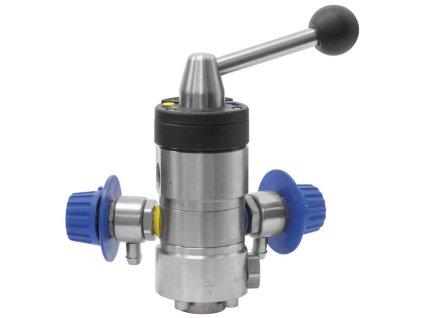
R+M Suttner ST-164 double chemical injector without a compressed-air connection. Two 9 mm hose tails for chemical suction. Chemical dosing is adjusted using ST-161 metering...

R+M Suttner ST-164 double chemical injector with a compressed-air connection. Two 9 mm hose tails for chemical suction. Chemical dosing is adjusted using two sets of 10...

R+M Suttner ST-164 double chemical injector with a compressed-air connection. Two 9 mm hose tails for chemical suction. Chemical dosing is adjusted using ST-161 metering valves....
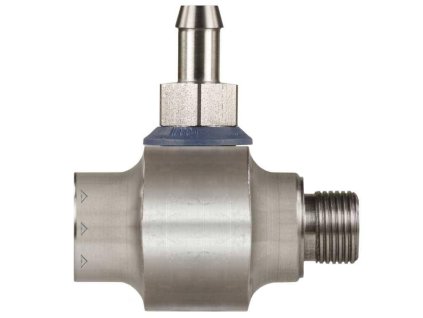
R+M Suttner ST-160 chemical injector without a compressed-air connection. A 9 mm hose tail for chemical suction. Chemical dosing is adjusted using 10 interchangeable metering...

R+M Suttner ST-160 chemical injector without a compressed-air connection. Chemical dosing is adjusted using an ST-161 metering valve. Injector nozzle sizes 1.1–2.5 mm are...

R+M Suttner ST-167 chemical injector without a compressed-air connection. A 9 mm hose tail for chemical suction. Chemical dosing is adjusted using 10 interchangeable metering...

R+M Suttner ST-167 chemical injector without a compressed-air connection. A 9 mm hose tail for chemical suction. Chemical dosing is adjusted using an ST-161 metering valve....

R+M Suttner ST-168 chemical injector with a compressed-air connection. A 9 mm hose tail for chemical suction. Chemical dosing is adjusted using 10 interchangeable metering...

R+M Suttner ST-168 chemical injector with an ST-161 metering valve and a separate compressed-air connection for foam applications. Features 9 mm hose connections for chemical...
Listing controls
Chemical injectors for professional foam and detergent application
Chemical injectors are used to introduce detergent or foam chemical into the water stream of professional cleaning systems. They are widely used with pressure washers, foam systems, industrial cleaning installations, agricultural cleaning equipment and other applications where controlled chemical application is required.
A correctly selected injector allows the cleaning chemical to be drawn from a separate container and mixed with the water stream without requiring a separate high-pressure chemical pump.
For professional systems, however, selecting an injector only according to its maximum pressure is not sufficient. Water flow, working pressure, injector nozzle size and the equipment installed downstream of the injector all influence its operation.
The injector nozzle must be correctly matched to the pressure and water flow of the system. An injector that is incorrectly sized can cause poor chemical suction, unstable operation, excessive pressure loss or insufficient cleaning performance.
How does a chemical injector work?
Most professional pressure washer chemical injectors use the Venturi principle. Water passes through a restricted injector nozzle, increasing its velocity and creating a pressure difference that draws chemical through the suction connection.
The chemical is then mixed with the water stream and transported towards the gun, lance or foam-producing device.
The ability of the injector to draw chemical therefore depends on the complete hydraulic system rather than on the injector alone.
Important factors affecting injector performance
- water flow rate in litres per minute,
- working pressure,
- injector nozzle diameter,
- pressure loss downstream of the injector,
- foam lance or application nozzle,
- hose diameter and length,
- chemical viscosity,
- chemical suction hose length,
- dosing insert or metering valve setting.
Before selecting an injector, identify the actual water flow and operating pressure of the system. These values are necessary for matching the injector nozzle and the downstream foam lance or application nozzle.
R+M Suttner chemical and foam injectors
The injector range available from UMYTEC is primarily based on professional R+M Suttner systems. Different injector series are designed for different chemical configurations and foam-generation methods.
| Series | Chemicals | Compressed air | Main characteristic |
|---|---|---|---|
| ST-160 | 1 | No | Compact single-chemical injector |
| ST-164 | 2 | Optional depending on version | Double injector for selecting between two chemicals |
| ST-167 | 1 | No | Bypass injector for systems without compressed-air injection |
| ST-168 | 1 | Yes | Bypass injector with compressed-air connection for foam generation |
R+M Suttner ST-160 – single chemical injector
The ST-160 is a compact solution for introducing one chemical into the water stream. It is suitable where a straightforward single-chemical dosing system is required.
UMYTEC offers ST-160 versions with either interchangeable dosing inserts or an ST-161 metering valve.
The correct injector nozzle must be selected according to the operating conditions of the pressure washer and the downstream application equipment.
R+M Suttner ST-164 – double chemical injector
The ST-164 is designed for applications requiring two separate chemicals. Two suction connections allow the operator or system to select between connected cleaning products.
This can be useful where different detergents, foam products or cleaning stages are required from one installation.
UMYTEC offers ST-164 versions with:
- interchangeable dosing inserts,
- ST-161 adjustable dosing valves,
- versions without compressed air,
- versions with a compressed-air module.
R+M Suttner ST-167 – injector without compressed air
The ST-167 is a stainless-steel bypass injector designed for chemical application without an integrated compressed-air supply.
Its bypass design allows the injector to remain installed in the water line. Depending on the operating position, water can pass through the bypass section for washing or rinsing, or through the injection section when chemical suction is required.
This configuration is particularly useful in professional installations where the same line is used for both chemical application and rinsing.
R+M Suttner ST-168 – injector with compressed air
The ST-168 combines chemical injection with an additional compressed-air connection.
The air required for foam production is introduced at the injector, allowing the system to generate dense foam when combined with the appropriate downstream gun, hose and foam lance.
Because the air is introduced at the injector, the downstream foam lance must be selected specifically for this system configuration.
The fundamental difference is compressed air. ST-167 is designed without a compressed-air connection. ST-168 adds compressed air at the injector and therefore requires a compatible foam-system configuration downstream.
How to choose the correct chemical injector
Correct injector selection starts with the hydraulic parameters of the system. The most important values are water flow and working pressure.
1. Determine the water flow
Identify the actual operating flow of the pressure washer or pump in litres per minute. Injector nozzle sizing is closely related to the amount of water passing through the system.
2. Determine the working pressure
Use the normal operating pressure rather than only the maximum rated pressure of the pump or pressure washer.
A machine rated to a high maximum pressure may operate at a significantly lower pressure in the actual foam application.
3. Select the correct injector nozzle
The injector contains its own calibrated nozzle orifice. Different injector nozzle sizes are intended for different water-flow and pressure combinations.
An injector nozzle that is too restrictive can create excessive back pressure or cause the pressure washer to enter bypass. A nozzle that is too large may result in insufficient pressure difference for effective chemical suction.
4. Decide how many chemicals are required
For one chemical, ST-160, ST-167 or ST-168 configurations may be appropriate depending on the system.
If the installation needs to switch between two separate chemicals, the ST-164 double injector is specifically designed for this purpose.
5. Decide whether compressed air is available
Compressed air can substantially influence foam production.
If the system is designed to introduce compressed air at the injector, select a compatible version such as the ST-168 or an ST-164 configuration equipped with an air module.
For systems without compressed air, choose the corresponding non-air injector and compatible foam lance.
6. Check downstream components
The injector cannot be selected independently of the rest of the system. Check the:
- spray gun,
- foam lance,
- application nozzle,
- hose diameter,
- hose length,
- connections and threads.
- Water flow in l/min
- Working pressure in bar
- Pressure washer or pump model
- Required number of chemicals
- Compressed air available: yes / no
- Required chemical concentration
- Existing injector model, if replacing one
- Foam lance or nozzle being used
- Inlet and outlet connection sizes
Interchangeable dosing inserts vs. ST-161 dosing valves
R+M Suttner injectors are available with different methods for controlling the amount of chemical being drawn into the water stream.
Interchangeable dosing inserts
Interchangeable inserts use calibrated openings to determine chemical suction. They provide a simple and repeatable way of setting chemical concentration.
This solution is suitable where the required dosing level remains relatively constant.
ST-161 adjustable dosing valve
The ST-161 metering valve allows chemical suction to be adjusted without changing a dosing insert.
This is particularly useful when:
- different detergent concentrations are required,
- chemical properties vary,
- the operator needs easier adjustment,
- the system is commissioned or fine-tuned on site.
The dosing element controls chemical concentration, while the main injector nozzle must still be correctly sized for the water flow and pressure of the system. These are two different functions.
Typical applications for professional chemical injectors
Professional pressure washing
Chemical injectors allow detergent to be introduced into a professional pressure-washing system without pumping concentrated chemical directly through the high-pressure pump.
The injector, gun, lance and application nozzle must be designed as one complete hydraulic system.
Self-service and professional car wash systems
Injectors can be used for detergent and foam application in professional vehicle-washing installations where controlled chemical suction and reliable operation are required.
Selection should account for the water flow of each washing bay, required chemical concentration and the foam equipment installed downstream.
Food-industry and hygiene cleaning
Professional foam cleaning is frequently used on equipment, walls and floors because foam increases the contact time of the cleaning chemical on vertical and irregular surfaces.
Injector material compatibility with the cleaning chemical is particularly important in these applications.
Agriculture
Foam and chemical systems are also used for cleaning agricultural machinery, animal housing and other demanding installations where large surfaces require controlled detergent application followed by rinsing.
Fixed industrial cleaning installations
Bypass injectors can be integrated into fixed cleaning lines where operators alternate between chemical application and water rinsing without repeatedly removing the injector from the installation.
Compatibility with foam lances, guns and hoses
A professional foam system consists of more than the chemical injector itself. Injector performance is influenced by the complete downstream assembly.
Depending on the injector configuration, related components may include:
- professional spray guns and lances,
- foam lances,
- pressure and foam hoses,
- nozzles,
- chemical suction hoses,
- non-return valves,
- compressed-air supply components,
- fittings and adapters.
For compressed-air foam systems, the gun, hose and lance should provide sufficient internal flow area and must match the method by which air is introduced into the system.
Two injectors with identical inlet and outlet threads can have different internal nozzle sizes and therefore behave very differently at the same water flow.
Maintenance and troubleshooting
Chemical injectors have relatively few moving components, but their performance can deteriorate because of chemical deposits, blocked suction components or wear.
Typical symptoms of an injector problem
- injector no longer draws chemical,
- chemical concentration becomes inconsistent,
- foam becomes noticeably thinner,
- pressure drops unexpectedly,
- pressure washer repeatedly enters bypass,
- chemical continues to flow when it should stop.
Components to inspect
- injector nozzle,
- dosing insert,
- ST-161 metering valve,
- chemical suction hose,
- chemical filter,
- non-return valve,
- O-rings and seals,
- downstream foam nozzle or lance.
Deposits from concentrated chemicals can restrict small passages over time. Flush the system according to the requirements of the chemical and equipment manufacturer and avoid allowing incompatible chemicals to remain inside the injector for prolonged periods.
If an existing injector needs replacement, use the complete model designation and injector nozzle size rather than selecting a replacement only by physical appearance.
Frequently asked questions about chemical and foam injectors
How do I choose the correct chemical injector size?
Start with the actual water flow in litres per minute and the normal working pressure. These parameters are used to select the appropriate injector nozzle size. The downstream foam lance or nozzle must also be compatible with the selected injector.
What is the difference between ST-167 and ST-168?
ST-167 is a bypass chemical injector without compressed-air injection. ST-168 has an additional compressed-air connection that supplies air for foam production at the injector.
What is the R+M Suttner ST-164 used for?
ST-164 is a double chemical injector. It provides two chemical suction connections and allows the system to select between two connected cleaning products. Versions are available with different dosing methods and with or without compressed-air equipment.
What is the difference between dosing inserts and an ST-161 valve?
Dosing inserts use a fixed calibrated opening to control chemical suction. The ST-161 is an adjustable metering valve that allows the chemical concentration to be changed without replacing an insert.
Why is my chemical injector not drawing detergent?
Possible causes include incorrect injector nozzle sizing, excessive downstream restriction, a blocked dosing insert, blocked suction hose, faulty non-return valve, excessive chemical viscosity or an incompatible foam lance or nozzle.
Can I choose an injector only according to maximum pressure?
No. Maximum pressure is only a safety rating. Injector performance depends strongly on water flow, working pressure, injector nozzle size and the restriction created by downstream components.
Does a foam injector always require compressed air?
No. Some foam systems operate without an external compressed-air connection, while other systems introduce compressed air at the injector to produce the required foam quality. The injector and foam lance must be selected as a compatible system.
What information should I send when replacing an existing injector?
Send the injector model, nozzle size if known, water flow, working pressure, inlet and outlet connections, chemical being used and information about the foam lance or downstream nozzle. A photograph of the existing injector can also help identify the correct replacement.
Need help selecting the correct injector?
Send UMYTEC your water flow, working pressure, required chemical configuration and existing foam equipment. If you are replacing an injector, include its model designation and nozzle size. We can help identify the appropriate R+M Suttner injector configuration for your system.