PUMPS

Professional pump solutions

Industrial pumps for car wash systems, pressure washers, industrial cleaning equipment and fluid-transfer installations.

The UMYTEC range includes high-pressure plunger pumps, low-pressure supply and dosing pumps, and spare kits for maintenance or equipment upgrades. Select the correct solution according to the required flow rate, working pressure, pump speed, motor arrangement, water temperature, connection type and fluid compatibility.

Bestsellers

UDOR Bronze rings kit
Pre-order
2412/KIT
 
1 €
UDOR Piston
Pre-order
2409/141
 
1 €
UDOR Valve kit
Pre-order
2406/KIT28
 
1 €

Product sorting

85 items total

List of products

Annovi Reverberi 15.15 N
560 €

High-pressure pump Annovi Reverberi 15.15 N, 1450 RPM, 15 L/min at 150 bar. Designed for Aquarama car wash systems, this model is a direct, fully compatible replacement for the...

1318
ANNOVI REVERBERI RK 15.20 H N
460 €

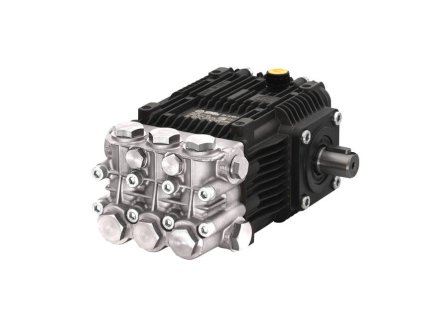
Annovi Reverberi RK 15.20 H N high-pressure pump, 15 L/min at 200 bar, 1450 RPM. Ideal for professional pressure washers, car wash systems, and industrial cleaning tasks.  

1381
BERTOLINI TMG 240
471 €

Compact and powerful Bertolini TMG 240 high-pressure pump delivering 15 L/min at 240 bar, 1450 RPM. Ideal for mobile professional pressure washers in industrial and agricultural...

1456
MOSADZNÉ OBJEMOVÉ ROTAČNÉ LAMELOVÉ ČERPADLO PR
from 100 €

Compact and durable PR series rotary vane pumps in brass, ideal for precise dosing and liquid transfer applications up to 10 bar. Suitable for industrial, agricultural, and...

1672/400
CALPEDA MXHM 405 1,1kW
from 565 €

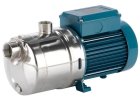
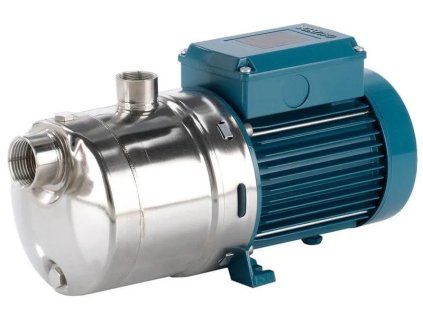
Horizontal multi-stage close coupled pumps in chrome-nickel stainless steel. Compact and robust construction, without protruding flange and with single-piece lantern bracket and...

2343/404
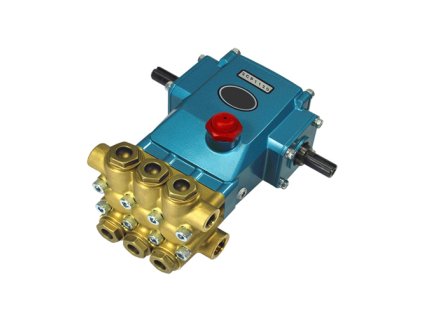
CAT 340
CAT 340
In stock
690 €

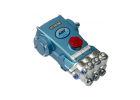
CAT 340 high-pressure pump delivering 15 L/min at 150 bar, 1450 RPM. Universal compatibility with car wash systems. Built for durability and long service life in professional...

997/PRA
CAT 340 D
CAT 340 D
In stock
from 730 €

CAT 340 D high-pressure pump, 15 L/min at 150 bar, 1450 RPM. Designed specifically for BKF car wash systems. Built for long-lasting, professional use in demanding environments.

1195/PRA
CAT 350
CAT 350
In stock
650 €

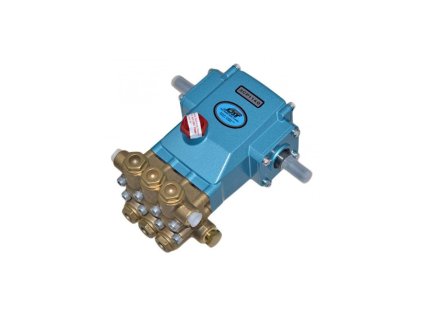
CAT 350 high-pressure pump, 19 L/min at 150 bar, 1450 RPM. Universal compatibility with car wash systems of all brands. Corrosion-resistant and designed for heavy-duty...

334
CAT 3CP 1120
595 €

CAT 3CP1120 high-pressure pump, 11.4 L/min at 150 bar, 1750 RPM. Compact, durable, and energy-efficient. Ideal for car wash systems and versatile industrial applications.

999
CAT 3CP 1140
595 €

CAT 3CP1140 high-pressure pump, 13.2 L/min at 150 bar, 1750 RPM. Built for car washes and industrial cleaning. Reliable, compact, and long-lasting performance.

593
CAT 5CP 2150W
599 €

CAT 5CP2150W high-pressure pump, 15 L/min at 200 bar, 1450 RPM. Triplex pump with enhanced chemical resistance. Ideal for industrial cleaning and car wash systems.

592
HAWK FOG FOG0410CR
269 €

HAWK FOG FOG0410CR high-pressure pump, 4 L/min at 100 bar, 1450 RPM. Ideal for small misting systems, cooling units, and compact pressure washers. Efficient and reliable...

1354

Listing controls

85 items total
Top

Plunger pumps explained in practical terms: a plunger pump is a positive-displacement reciprocating pump that moves a fixed volume of liquid with one or more plungers. Unlike a centrifugal pump, it does not create flow by spinning liquid through an impeller. Instead, each plunger draws liquid into a chamber and forces it out through check valves. This design makes plunger pumps especially effective when an application requires stable flow at high or very high pressure.

Industrial plunger pumps are used in professional pressure washers, self-service and automatic car washes, reverse-osmosis systems, hydrostatic testing, misting, sewer cleaning, industrial washdown, surface preparation and many process applications. The most common configuration in professional cleaning is the triplex plunger pump, which uses three plungers operating 120 degrees apart to reduce pulsation and produce a smoother flow.

Quick answer What it means
How does a plunger pump work? A crankshaft moves plungers back and forth. Inlet valves open during the suction stroke, and discharge valves open during the pressure stroke.
Why is it used for high pressure? Because the flow is displaced mechanically rather than generated by velocity, pressure can rise against downstream resistance within the pump's rated limits.
What is the most common industrial type? The triplex plunger pump, with three ceramic plungers, is widely used in professional cleaning and car-wash systems.
What determines the correct model? Required flow, working pressure, rpm, absorbed power, liquid temperature, chemistry, inlet conditions, duty cycle and mounting dimensions.
What is the main selection mistake? Choosing only by maximum pressure and ignoring flow, motor power, inlet design, materials and continuous-duty limits.

Article contents

What is a plunger pump?

A plunger pump is a reciprocating positive-displacement pump in which a plunger moves through a stationary seal to draw in and discharge liquid. Each stroke moves a predictable volume, which means the pump produces flow in direct relation to displacement and rotational speed.

The term positive displacement means the pump physically traps and moves a defined amount of liquid. If the discharge becomes restricted, pressure rises. For this reason, a plunger-pump system must include a correctly sized unloader, pressure regulator or safety-relief valve. It must never be operated against a completely closed discharge without protection.

In professional cleaning equipment, the expression piston pump is often used commercially for a plunger pump. The most common design has three ceramic plungers and is therefore called a triplex pump. Hawk describes this configuration as three plungers operating alternately at 120-degree intervals, creating stable flow for high-pressure cleaning. CAT Pumps likewise produces both triplex piston and triplex plunger designs, with plunger pumps covering a very broad industrial range.

Why plunger pumps are suitable for high pressure

A centrifugal pump depends on liquid velocity and impeller geometry. As discharge pressure rises, its flow normally falls along the pump curve. A plunger pump behaves differently: it continues to displace approximately the same volume per revolution, subject to volumetric efficiency and leakage. That is why plunger pumps are commonly used where a stable flow must be delivered against substantial resistance.

The pump itself primarily creates flow. Pressure develops because the downstream system restricts that flow. The restriction may be a spray nozzle, process valve, membrane, long pipeline or cleaning head. A smaller nozzle generally creates higher pressure, but only within the pressure and power limits of the complete system.

How does a plunger pump work?

A plunger pump completes two basic hydraulic phases for each plunger: suction and discharge. A crankshaft, eccentric or cam converts rotational motion into reciprocating movement. The plunger moves away from the manifold chamber during suction and toward it during discharge.

Step 1: the suction stroke

As the plunger retracts, the chamber volume increases and pressure inside the chamber falls below inlet pressure. The inlet check valve opens, allowing liquid to enter. The discharge valve remains closed because downstream pressure holds it against its seat.

Step 2: the discharge stroke

As the plunger moves forward, chamber volume decreases. The inlet valve closes and the liquid is forced against the discharge valve. When chamber pressure exceeds discharge-line pressure, the discharge valve opens and liquid leaves the pump.

Step 3: three plungers smooth the flow

In a triplex pump, the plungers are phase-shifted around the crankshaft. While one is discharging, another may be filling and the third transitioning between strokes. This reduces flow pulsation compared with a single-plunger pump. A pulsation dampener or hydraulic accumulator may still be useful in sensitive or long-pipeline systems.

Important operating principle: flow is mainly determined by plunger displacement and pump speed. Pressure is determined by the resistance downstream. Never attempt to increase pressure only by tightening an unloader beyond the pump, motor, hose or nozzle rating.

Main components of a plunger pump

Component Function Typical failure or concern
Crankshaft Converts drive rotation into reciprocating motion through connecting rods. Bearing wear, overload, incorrect rotation or poor lubrication.
Connecting rods Transfer crankshaft movement to the plunger guides or piston rods. Damage from excessive rpm, oil starvation or mechanical overload.
Ceramic plungers Move through stationary seals and displace the liquid. Cracking from thermal shock, impact or incorrect installation.
Water seals Seal the pressurised liquid around each moving plunger. Wear from dry running, dirt, heat, incompatible chemistry or damaged ceramics.
Oil seals Protect the crankcase from water and retain lubricating oil. Oil leakage or water contamination in the crankcase.
Inlet valves Allow liquid into each chamber during suction. Debris, scale, spring damage or cavitation erosion.
Discharge valves Allow pressurised liquid to leave during the discharge stroke. Poor seating, pulsation, pressure loss or contamination.
Manifold head Contains the hydraulic chambers, ports, valves and seal housings. Corrosion, cracking, freezing or overpressure.
Crankcase oil Lubricates gears, bearings, crankshaft and connecting rods. Incorrect viscosity, low level, contamination or delayed oil changes.

Mechanical side and hydraulic side

A professional plunger pump has two clearly separated sections. The crankcase is the mechanical side and contains the oil-lubricated drive components. The manifold is the hydraulic side and contains the liquid, valves, plungers and water seals. Understanding this separation helps diagnose leaks: water leaking externally is usually a wet-end issue, while milky oil may indicate seal failure or a cracked plunger.

Main plunger pump types

Simplex, duplex and triplex plunger pumps

The terms simplex, duplex and triplex refer to the number of pumping elements. A simplex pump uses one plunger, a duplex two and a triplex three. Triplex pumps dominate professional high-pressure cleaning because they provide a good balance of compact dimensions, stable flow, manageable pulsation and serviceability.

Direct-drive plunger pumps

A direct-drive pump is connected directly to an electric motor or combustion engine. This arrangement is compact and economical. However, the pump must be designed for the drive speed. Small pressure washers may use pumps near 2,800 to 3,400 rpm, while many stationary European industrial and car-wash systems use pumps near 1,450 rpm.

Higher speed reduces pump size for a given flow but increases the number of plunger and valve cycles. Lower-speed pumps are often selected for continuous professional service because they generally operate more quietly and with lower mechanical frequency.

Belt-driven and gearbox-driven pumps

A belt drive allows the pump speed to differ from the motor speed and can isolate some vibration. It also offers installation flexibility, but requires guards, correct pulley alignment and belt tension. Gearboxes are used when a defined speed reduction is required, especially with petrol or diesel engines.

Hot-water plunger pumps

Hot-water pumps use seal arrangements, manifold finishes and materials suitable for elevated inlet temperature. A standard pump should not be assumed suitable for continuous hot-water operation simply because it survives a short test. Always check the continuous inlet-temperature rating and bypass arrangement.

For example, Umytec offers the Hawk XLT3020HTI, designed for high-temperature washing in food and pharmaceutical applications.

Chemical-resistant plunger pumps

Chemical-resistant models may use nickel-plated brass, stainless steel, specialised valve materials and compatible elastomers. The full liquid composition must be considered. A stainless manifold does not guarantee that seals, springs, fittings or the unloader are compatible.

Very-high-pressure plunger pumps

Specialised industrial pumps can operate at several hundred bar and, in selected ranges, far higher. CAT Pumps lists industrial plunger pumps across a range extending to approximately 689 bar, while Interpump Group manufactures solutions extending into ultra-high-pressure applications. At these pressures, system engineering, hose safety, guarding, filtration and operator training become critical.

Plunger pump vs piston pump vs centrifugal pump

Comparison Plunger pump Alternative
Plunger pump vs piston pump The plunger moves through a stationary seal. This supports high-pressure operation and keeps the sealing arrangement in the pump head. In a true piston pump, the seal moves with the piston inside a cylinder. Commercial terminology often uses the names interchangeably.
Plunger pump vs centrifugal pump Positive displacement, nearly proportional flow to speed, high-pressure capability and must have overpressure protection. Dynamic impeller pump, flow changes significantly with head and is ideal for high-volume, lower-pressure transfer.
Plunger pump vs diaphragm pump Excellent for clean or suitably filtered liquids and high-pressure applications. Diaphragm pumps isolate the drive from the liquid and may handle chemicals, solids or lower-pressure spraying more effectively.

Plunger pump vs piston pump: is there a real difference?

Technically, yes. In a plunger pump, the plunger surface passes through a stationary packing or seal. In a piston pump, the sealing element is attached to the moving piston and travels within a cylinder. In professional pressure-washer language, manufacturers and distributors often use piston pump for triplex plunger pumps. Therefore, always rely on the construction drawing and technical data rather than the marketing term alone.

Plunger pump vs centrifugal pump

Use a plunger pump when high pressure, metered flow or stable delivery against changing resistance is required. Use a centrifugal pump when the main requirement is moving a large volume at low or moderate pressure. A centrifugal pump is commonly used as a feed pump for a high-pressure plunger pump, because the two designs perform different jobs.

Pressure, flow, speed and motor power

Flow rate

Flow is commonly stated in litres per minute or gallons per minute. In a positive-displacement pump, theoretical flow depends on plunger area, stroke length, number of plungers and rpm. Actual flow is slightly lower because of leakage and volumetric losses.

Pressure rating

Maximum pressure is the upper permitted limit, not necessarily the recommended continuous working point. A pump selected with reasonable pressure reserve generally offers better long-term reliability than one operated continuously at the catalogue maximum.

Rotational speed

Pump rpm must remain within the model rating. Increasing speed raises flow and absorbed power, but also increases valve frequency, seal travel and mechanical load. Hawk identifies flow, pressure, speed and power consumption as the main parameters for pump selection.

Hydraulic power

The theoretical hydraulic power can be estimated using:

Hydraulic power (kW) = flow (L/min) × pressure (bar) ÷ 600

A pump delivering 15 L/min at 200 bar produces 5 kW of hydraulic power. The motor must provide more because of pump and transmission losses. A 5.5 kW motor may be used in some configurations, but the manufacturer's absorbed-power figure must always take priority.

Example Flow Pressure Theoretical hydraulic power Typical use
Interpump WS 132 13 L/min 200 bar 4.33 kW Professional pressure washers and car washes
CAT 350 19 L/min 150 bar 4.75 kW Continuous-duty car wash and industrial cleaning
Hawk XLT5015I 50 L/min 150 bar 12.5 kW High-flow industrial washing systems

Ceramic plungers, brass heads and stainless-steel pumps

Ceramic plungers

Ceramic is widely used because it is hard, smooth and resistant to wear. The low-friction surface supports seal life and stable performance. However, ceramic is brittle. Thermal shock, incorrect tightening, impact or side loading can crack a plunger. A cracked plunger can allow water to reach the oil side or rapidly destroy new seals.

Brass manifold heads

Forged or pressed brass is common in professional cleaning pumps. It combines mechanical strength, corrosion resistance, machinability and competitive cost. Brass is suitable for many clean-water and car-wash applications, but compatibility must be checked for demineralised water, chlorides, strong acids, strong alkalis and high temperatures.

Nickel-plated brass

Nickel plating provides additional surface protection and is common in selected car-wash and hot-water pumps. It can improve resistance to chemical exposure, but does not make every seal and valve compatible with every detergent.

Stainless-steel plunger pumps

Stainless-steel pumps are used for aggressive liquids, reverse osmosis, food processing, seawater and specialised process systems. CAT Pumps offers selected models in 304, 316 and duplex stainless steel, while other manufacturers offer their own stainless ranges. The correct alloy must be selected according to chlorides, temperature, pH and process chemistry.

Material Typical advantage Selection caution
Brass Strong, economical and suitable for many professional water applications. Not automatically compatible with every chemical or demineralised water.
Nickel-plated brass Improved surface resistance in selected car-wash and hot-water environments. Check seals, valves and damaged plating areas.
Nickel aluminium bronze Strong resistance in selected corrosive and marine environments. Higher cost and still requires full compatibility review.
304 stainless steel Useful for many process and hygienic applications. Can be unsuitable for elevated chloride levels.
316 or duplex stainless steel Higher corrosion resistance for demanding liquids. Elastomers and all connected components must also be compatible.

Industrial plunger pump applications

Professional pressure washers

Plunger pumps provide the pressure and stable flow required for cleaning vehicles, machinery, floors, building façades and industrial equipment. Compact triplex pumps are commonly direct-coupled to electric motors or engines.

Self-service and automatic car washes

Car-wash systems typically use low-speed industrial pumps for long service life and stable performance. Flow and pressure vary by programme, nozzle and wash concept. Chemical exposure, water treatment and bypass design are major selection factors. Umytec offers a broad range of industrial high-pressure plunger pumps for self-service and automatic car-wash systems.

Reverse osmosis and desalination

High-pressure pumps force feed water through membranes. The pump must deliver stable flow at the membrane operating pressure and use wetted materials compatible with conductivity, chlorides and treatment chemicals.

Hydrostatic testing

Plunger pumps are used to pressurise pipes, vessels and components for leak and strength testing. In these systems, precise pressure control, low flow at high pressure and safe relief arrangements are essential.

Misting, humidification and dust suppression

Fine-nozzle systems need filtered water at stable pressure. Small particles can block nozzles, while insufficient inlet filtration can damage pump valves and seals. Pump flow must match the number and size of active nozzles.

Sewer and municipal cleaning

High-flow plunger pumps drive sewer nozzles and cleaning heads through long hose lengths. These applications require robust pumps, adequate engine power, good filtration and careful protection against pulsation and pressure spikes.

Food and pharmaceutical washdown

Hot-water and stainless-steel pumps are used where hygiene, temperature and material traceability are important. The pump should be selected together with hoses, valves, fittings and cleaning chemicals as one compatible system.

Surface preparation and descaling

High and very-high-pressure water removes coatings, scale, concrete laitance and industrial deposits. Pressure class alone is not enough; nozzle technology, flow, operator safety and debris control strongly affect the result.

How to select the correct plunger pump

1. Define the real working pressure

Specify the normal pressure at the pump outlet and the required pressure at the nozzle or process point. Include hose, fitting, valve and elevation losses. Avoid selecting solely by maximum catalogue pressure.

2. Define the required flow

Flow must match the number and size of outlets operating at the same time. Higher flow often improves rinsing and material removal, but it increases motor power, pipe size and water consumption.

3. Confirm pump speed

Match the pump to the motor or engine. Check frequency, motor-pole count, pulley ratio, gearbox ratio and maximum pump rpm. Never assume two pumps with the same pressure and flow have the same speed rating.

4. Calculate power correctly

Use the manufacturer's absorbed-power value. If estimating, calculate hydraulic power and add allowance for mechanical and volumetric losses. Include a reasonable motor reserve without excessive oversizing.

5. Describe the pumped liquid

Provide water source, temperature, pH, hardness, conductivity, chlorides, solids and chemical additives. State clearly whether the liquid is softened water, RO permeate, recycled water, seawater or process liquid.

6. Define the duty cycle

Specify operating hours per day, minutes per hour, starts per hour and time spent in bypass. Continuous-duty applications generally require lower rpm, greater mechanical reserve and a better cooling strategy.

7. Check mounting and shaft configuration

For replacement pumps, confirm shaft diameter, length, keyway, rotation, foot spacing, shaft height, port position and overall dimensions. Similar hydraulic performance does not guarantee mechanical interchangeability.

8. Confirm spare-parts support

Identify the correct water-seal kit, oil-seal kit and valve kit before purchasing the pump. For critical systems, keep common service parts or a complete spare pump on site.

Practical purchasing rule: select the complete system, not only the pump. The motor, coupling, inlet line, filter, unloader, relief valve, gauge, hose, nozzle and water supply must all match the same flow and pressure.

Plunger pump installation and system-design rules

Provide a generous inlet

The inlet line should be short, correctly sized and free from unnecessary restrictions. Use a filter with sufficient flow capacity. Suction lift should be avoided where possible. A flooded inlet or properly selected feed pump creates more stable conditions.

Prevent cavitation

Cavitation occurs when local pressure falls below the liquid vapour pressure, forming bubbles that collapse inside the pump. Symptoms include noise, vibration, unstable pressure, valve damage and rapid seal wear. Common causes are undersized hoses, blocked filters, hot inlet water and excessive suction height.

Install pressure-control and safety devices

A positive-displacement pump must have a path for flow when the operator closes the gun or process valve. Use a correctly sized unloader valve or pressure regulator, plus an independent safety-relief valve where required. The relief setting must remain within the rating of the pump and every downstream component.

Avoid prolonged closed-loop bypass

If bypass water returns directly to the pump inlet, it can heat rapidly. High temperature reduces seal life and can cause cavitation. Return bypass water to a sufficiently large tank or use a system that stops or unloads the pump safely.

Align the drive correctly

Flexible couplings require accurate shaft alignment. Belt drives require correct pulley alignment and tension. Misalignment creates bearing loads, vibration, seal wear and premature drive-end failure.

Use the correct nozzle

A nozzle that is too small creates excessive pressure and bypass flow. A nozzle that is too large prevents the system from reaching the required pressure. Nozzle wear gradually increases flow area and reduces working pressure.

Maintenance and common plunger pump failures

Routine maintenance checklist

  • Check oil level and oil condition regularly.
  • Change oil according to the exact manufacturer schedule.
  • Inspect inlet filters and water quality.
  • Check for external water leakage and oil leakage.
  • Monitor pressure stability, noise and temperature.
  • Inspect coupling alignment or belt tension.
  • Confirm the unloader and safety valve operate correctly.
  • Replace seals and valves with the correct model-specific kits.

Low pressure

Possible causes include a worn nozzle, air in the inlet, blocked filter, leaking valves, worn water seals, low pump speed or an unloader stuck in bypass. Measure actual flow before assuming that the pump is mechanically damaged.

Pressure pulsation

Pulsation may result from air entering the inlet, dirty or damaged valves, restricted supply, unequal chamber filling or a failing accumulator. Check the inlet before dismantling the pump.

Water leaking from the pump

A small drain area between water seals and oil seals may intentionally allow leakage to escape externally rather than entering the crankcase. Persistent leakage indicates worn seals, damaged plungers, incorrect installation or unsuitable liquid conditions.

Water in the crankcase oil

Milky oil can indicate failed water and oil seals, a cracked ceramic plunger or prolonged leakage. Stop the pump promptly. Replace damaged parts, flush contaminated oil and identify the original cause.

Overheating

Overheating can result from low oil, incorrect oil, excessive rpm, overload, poor alignment or hot bypass water. Determine whether the heat originates in the hydraulic side or drive side.

Premature seal failure

Common causes are dry running, abrasive particles, excessive temperature, chemical incompatibility, damaged ceramic plungers, misassembled seals or operating continuously at the pressure limit.

Final recommendation

A plunger pump is the correct choice when an application requires controlled flow at high pressure, long service life and repairable industrial construction. Triplex ceramic-plunger designs are the standard solution for professional pressure washing, car washes and many industrial systems.

The correct pump cannot be selected by pressure alone. Flow, speed, absorbed power, liquid composition, inlet conditions, temperature, duty cycle, materials and dimensions must all be evaluated together. In many failures, the real cause is not the pump brand but an undersized inlet, incorrect bypass design, dry running, contaminated water or an overloaded drive.

For a new project, prepare a clear technical specification before comparing models. For a replacement, record the full model code and all mechanical dimensions. Umytec supplies plunger pumps and service components from brands including Hawk, Interpump, CAT, UDOR and Annovi Reverberi and can help match a pump to the real application.

Frequently asked questions

What is a plunger pump?

A plunger pump is a reciprocating positive-displacement pump that moves a fixed liquid volume using plungers and inlet and discharge check valves.

How does a plunger pump create pressure?

The pump creates flow. Pressure develops when the downstream system restricts that flow through a nozzle, membrane, valve or process load.

What is a triplex plunger pump?

It is a pump with three plungers phased around the crankshaft, commonly 120 degrees apart. This creates smoother flow than a single-plunger design.

What is the difference between a plunger pump and a piston pump?

In a plunger pump, the plunger moves through a stationary seal. In a true piston pump, the seal moves with the piston inside the cylinder. Industry terminology often overlaps.

What is the difference between a plunger pump and a centrifugal pump?

A plunger pump is positive displacement and suited to high pressure. A centrifugal pump uses an impeller and is normally better for high-volume, lower-pressure transfer.

Why are ceramic plungers used?

Ceramic plungers have a hard, smooth and wear-resistant surface that supports seal life. They must be protected from impact, side loading and thermal shock.

Can a plunger pump run dry?

No. Dry running removes cooling and lubrication from the water seals and can damage them rapidly. Use low-level, pressure or flow protection when supply may fail.

Can a plunger pump self-prime?

Some models can lift water under limited conditions, but flooded suction or positive feed is preferable. Always follow the inlet-pressure and suction-lift limits of the exact model.

What pressure can a plunger pump produce?

The range is very broad, from ordinary professional cleaning pressures to several hundred bar and beyond in specialised industrial designs. Use only the rated pressure of the exact model.

How is plunger-pump flow calculated?

Theoretical flow depends on plunger area, stroke, number of plungers and rpm. Actual flow is lower because of volumetric losses and leakage.

What motor size does a plunger pump need?

Calculate hydraulic power as flow in L/min multiplied by pressure in bar and divided by 600, then allow for pump and drive losses. Use the manufacturer's absorbed-power figure.

Why does a plunger pump pulsate?

Common causes are air in the inlet, restricted supply, dirty valves, damaged valves, unequal chamber filling or a failed pulsation dampener.

What causes water in plunger-pump oil?

Possible causes include worn water seals, damaged oil seals, a cracked ceramic plunger or prolonged leakage between the wet end and crankcase.

How long does a plunger pump last?

Service life depends on speed, pressure margin, inlet conditions, water quality, temperature, duty cycle and maintenance. Correct installation often matters more than brand.

Which material is best for the pump head?

Brass suits many water applications. Nickel-plated brass, nickel aluminium bronze or stainless steel may be required for hot, demineralised, salty or chemically aggressive liquids.

Quick summary

A plunger pump is a positive-displacement reciprocating pump designed to provide stable flow at high pressure. The most common professional type is the triplex ceramic-plunger pump. Flow depends mainly on displacement and rpm, while pressure develops from downstream resistance. Select the pump by working flow, pressure, speed, absorbed power, liquid, temperature, duty cycle, materials and mounting. Correct inlet design, filtration, overpressure protection and maintenance are essential for long service life.

Explore professional plunger pumps

Compare industrial pumps from Hawk, Interpump, CAT, UDOR and Annovi Reverberi for cleaning, car wash and high-pressure applications.

Explore plunger pump range →

Fast delivery
Fast delivery
anywhere in Europe
Original products
Original products
from top manufacturers
Complete range
Complete range
for industrial cleaning