
INJECTORS & DOSING
Injectors and chemical dosing pumps provide controlled application of detergents, active foam, shampoo, wax and other liquid chemicals in professional car wash and industrial cleaning systems. UMYTEC offers solutions ranging from compact chemical injectors to precise proportional and electromagnetic dosing pumps.
Our range includes professional equipment from Dosatron, EMEC, Injecta and R+M Suttner. Choose between water-powered proportional dosing, electrically or pneumatically operated metering pumps and Venturi injectors depending on the required chemical flow, pressure, concentration and control method.
The correct dosing system improves chemical consistency, reduces unnecessary consumption and helps maintain repeatable washing results.
Product sorting
List of products
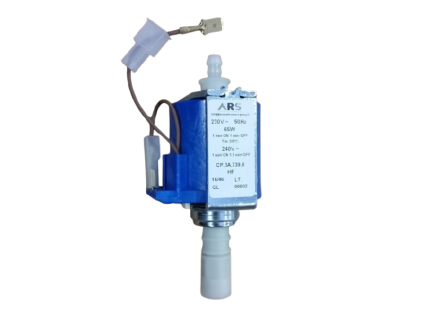
ARS vibration pump for dispensing compatible auxiliary liquids such as tyre dressing or air freshener. Rated flow is 0.6 l/min.

Dosatron D3RE2 AO dosing pump for compatible organic acids. Provides proportional dosing from 0.2% to 2% at water flows up to 3,000 l/h.
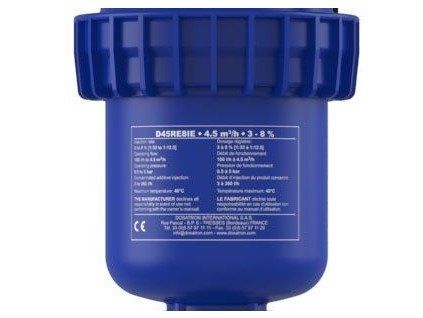
Blue lower pump housing with seal for compatible Dosatron D45 dosing pumps. Replaces the lower body of the dosing unit.
Listing controls
Professional injectors and chemical dosing systems
Reliable chemical dosing is essential for achieving consistent cleaning performance while controlling chemical consumption. Professional dosing equipment introduces a defined amount of detergent, shampoo, foam chemical, wax, disinfectant or another liquid concentrate into a water or cleaning system.
Different applications require different dosing technologies. A simple chemical injector can be ideal for foam application with a pressure washer, while a self-service car wash may require a dedicated metering pump capable of delivering a precisely adjustable quantity of chemical during each washing programme.
UMYTEC supplies several dosing technologies from manufacturers including Dosatron, EMEC, Injecta and R+M Suttner.
A chemical injector and a dosing pump are not the same device. An injector normally uses water flow and a pressure differential to draw chemical into the water stream. A dosing pump actively meters a controlled amount of chemical and can offer substantially greater flexibility and dosing control.
Types of chemical dosing systems
The best dosing technology depends on how accurately the chemical needs to be controlled, available utilities, water flow, injection pressure and the control system of the installation.
| Technology | Typical brands | Power source | Main advantage |
|---|---|---|---|
| Venturi injector | R+M Suttner | Water pressure / flow | Simple chemical or foam induction |
| Water-powered proportional dosing | Dosatron | Water flow | Dosing proportional to water volume without electricity |
| Electromagnetic diaphragm pump | EMEC, Injecta | Electricity | Accurate, adjustable chemical metering and control |
| Pneumatic dosing pump | EMEC | Compressed air | Suitable for applications where pneumatic operation is preferred |
Venturi chemical injectors
A Venturi injector creates a pressure difference as water passes through an internal restriction. The resulting vacuum draws chemical from a separate container into the water stream.
This solution is mechanically simple and particularly useful for pressure washing and foam application, but its performance depends strongly on water flow, pressure, injector nozzle size and downstream restriction.
Water-powered proportional dosing
A water-powered proportional dosing pump uses the flow of water itself to operate the dosing mechanism. Chemical delivery follows the volume of water passing through the unit.
This makes the technology attractive where a repeatable water-to-chemical ratio is required without an electrical supply.
Electromagnetic dosing pumps
An electromagnetic dosing pump uses a solenoid to move a diaphragm and deliver chemical in controlled strokes.
Depending on the model, dosing can be:
- constant,
- manually adjustable,
- pulse-controlled,
- proportional to an external signal,
- controlled by a process parameter,
- controlled by an external automation system.
This makes electromagnetic pumps particularly suitable for automated car wash and industrial dosing installations.
Dosatron water-powered proportional dosing pumps
Dosatron dosing pumps operate without electricity. Installed directly in the water line, they use water pressure and flow to drive an internal hydraulic mechanism that draws chemical concentrate and mixes it with the passing water.
The selected chemical ratio remains proportional to the volume of water flowing through the dosing pump within the specified operating range. If water consumption changes, the quantity of chemical being injected changes proportionally.
This principle makes Dosatron particularly useful where consistent dilution is required despite changing water consumption.
Advantages of Dosatron dosing
- no electrical power required,
- chemical dosing proportional to water flow,
- externally adjustable concentration on suitable models,
- automatic operation whenever water flows through the unit,
- suitable for many car wash and industrial cleaning applications,
- wide choice of dosing ranges and water-flow capacities.
Dosatron D3RE series
The D3RE series is one of the commonly used Dosatron product families for professional chemical dosing. Different versions provide different adjustable dosing ranges, allowing the pump to be matched to the required concentration.
The correct Dosatron model should be selected according to:
- minimum and maximum water flow,
- water pressure,
- required dosing percentage,
- chemical properties,
- seal material,
- required connection size.
The required dosing percentage and chemical compatibility are equally important. Different versions of the same pump family can have substantially different dosing ranges.
EMEC chemical dosing pumps
EMEC manufactures professional metering and dosing equipment for controlled chemical injection. Its range includes electromagnetic dosing pumps as well as solutions specifically designed for car wash applications.
Electromagnetic dosing pumps are useful when the required chemical output needs to be set independently from the main water stream or controlled by an electrical signal.
Electromagnetic EMEC pumps
Depending on the selected model, EMEC dosing systems can support functions such as:
- constant dosing,
- proportional dosing,
- external control signals,
- level monitoring,
- manual or automatic venting,
- different chemical head and seal configurations.
EMEC R Series for car wash applications
The EMEC R Series is designed specifically for car wash dosing applications and is operated by compressed air instead of an electric solenoid.
This provides another option for installations where compressed air is already available and pneumatic chemical dosing is preferred.
The correct model must still be selected according to required chemical flow, injection pressure and the characteristics of the detergent being dosed.
Injecta chemical dosing pumps
Injecta offers electromagnetic dosing pumps and dedicated dosing solutions for professional chemical applications, including car wash systems.
Its product range includes both compact dosing pumps for lower chemical consumption and larger metering pumps for higher flow or more demanding industrial installations.
Injecta Hydra Series
The Hydra family includes compact electromagnetic diaphragm dosing pumps with several control configurations.
Depending on the model, the Hydra series can provide:
- constant dosing,
- manual output adjustment,
- pulse-proportional dosing,
- 4–20 mA proportional control,
- digital control functions,
- level probe compatibility.
Injecta Hydra Car Wash
Injecta also offers a dedicated Hydra Car Wash configuration designed for chemical dosing in vehicle washing systems.
Its construction includes components selected for typical car wash chemical applications, making it suitable for controlled detergent dosing in professional washing equipment.
Injecta Athena Series
The Athena series covers a wider range of chemical flow rates and pressures and provides several analogue and digital control options.
It is suitable where a higher dosing capacity, greater injection pressure or more advanced control is required.
R+M Suttner chemical and foam injectors
For pressure-washing and foam applications, UMYTEC also offers professional R+M Suttner chemical injectors.
These systems use the pressure and flow of the washing water to draw detergent into the stream and are available in several configurations.
ST-160
A compact single-chemical injector suitable for professional pressure-washing systems.
ST-164
A double injector designed to work with two connected chemicals. Depending on the version, chemical concentration can be controlled by interchangeable dosing inserts or adjustable ST-161 valves.
ST-167
A bypass injector for chemical application without compressed-air injection. Its bypass configuration allows the unit to remain installed in the water line when switching between chemical application and rinsing.
ST-168
A bypass injector with an additional compressed-air connection for professional foam generation.
The correct R+M Suttner injector nozzle must be matched to system flow, operating pressure and downstream application equipment.
How to choose the correct chemical dosing system
Choosing between an injector, proportional dosing pump and electromagnetic metering pump depends on the application rather than simply the required chemical concentration.
1. Determine the chemical flow required
Dosing pump capacity is normally specified as a chemical flow, typically in litres per hour. Calculate or estimate how much concentrated chemical needs to be delivered during operation.
2. Check injection pressure
The dosing pump must be capable of injecting chemical against the pressure present at the injection point.
Do not confuse the pressure rating of a dosing pump with the high-pressure pump pressure of the complete washing machine. Chemical is often injected into a lower-pressure part of the system.
3. Determine the required concentration
For proportional systems, establish the required percentage or dilution ratio.
For independently controlled metering pumps, determine the required chemical flow according to water consumption and target concentration.
4. Choose the control method
The dosing method may be:
- fixed output,
- manual adjustable output,
- proportional to water flow,
- pulse-controlled,
- 4–20 mA controlled,
- controlled by PLC or car wash electronics.
5. Check chemical compatibility
Determine the chemical composition and concentration before selecting the pump head, diaphragm, seals, suction tubing and injection valve.
6. Check available utilities
Different dosing systems require different energy sources:
- Dosatron: water pressure and flow,
- EMEC / Injecta electromagnetic pumps: electrical supply,
- EMEC pneumatic pumps: compressed air,
- Venturi injectors: suitable hydraulic pressure and flow conditions.
- Chemical name and concentration
- Required dosing percentage or dilution ratio
- Required chemical flow in l/h
- Water flow in l/min or l/h
- Pressure at the injection point
- Available electrical supply
- Compressed air availability
- Required control signal
- Required pump materials and seals
- Connection size
Chemical compatibility of dosing pumps
Chemical compatibility is one of the most important factors when selecting a dosing pump.
Car wash chemicals can include strongly alkaline pre-wash products, acidic wheel cleaners, shampoos, waxes, drying agents and other concentrated products. These chemicals can behave very differently when in contact with pump heads, seals, valves and tubing.
Components commonly used in professional dosing systems can include materials such as:
- PVDF,
- PVC and modified PVC materials,
- PTFE,
- ceramic valve balls,
- EPDM or other elastomer seals,
- FPM/FKM seals, depending on the chemical.
Do not select seal or pump-head material only according to whether a product is described as acidic or alkaline. Chemical concentration, formulation and operating temperature must also be considered. Use the chemical manufacturer's safety data sheet when verifying compatibility.
Chemical dosing in self-service and professional car washes
A modern car wash can use several liquid chemicals during different washing programmes. Typical applications include:
- pre-wash detergent,
- active foam,
- shampoo,
- wheel cleaner,
- wax,
- drying aid,
- special cleaning additives.
A dosing pump allows the quantity of each product to be adjusted independently according to the required washing result and chemical concentration.
This makes correct dosing important not only for washing quality but also for operating cost. Excessive dosing wastes chemical and can make rinsing more difficult, while insufficient dosing can reduce cleaning performance.
Direct chemical dosing
With direct dosing, concentrated product is metered directly from the chemical container into the relevant water circuit.
This allows individual chemical consumption to be adjusted accurately and eliminates the need for a large premixed solution tank in suitable system designs.
Proportional dilution
Water-powered proportional systems such as Dosatron can instead prepare a repeatable water-to-chemical mixture according to the selected dosing percentage.
The best solution therefore depends on how the complete washing technology is designed.
Dosing pump maintenance and troubleshooting
Dosing equipment works with concentrated chemicals and contains small valves, diaphragms, seals and injection components. Regular inspection helps maintain accurate dosing and prevents unplanned downtime.
Typical maintenance points
- inspect the suction hose,
- clean the suction filter,
- inspect the injection valve,
- check non-return valves,
- check the diaphragm or dosing seal,
- inspect chemical tubing for hardening or cracking,
- check the chemical container level,
- remove air from the dosing head when required.
Pump running but no chemical is being dosed
Possible causes include:
- empty chemical container,
- air in the suction line,
- blocked suction filter,
- blocked injection valve,
- damaged or contaminated non-return valves,
- incorrect dosing setting,
- worn seals or diaphragm,
- excessive injection pressure.
Some dosing systems must be primed or vented again before normal chemical delivery resumes. Follow the procedure specified for the exact dosing pump model.
Frequently asked questions about chemical dosing
What is the difference between a chemical injector and a dosing pump?
A chemical injector normally uses a hydraulic pressure difference to draw chemical into the water stream. A dosing pump actively meters the chemical and can provide more precise or independently controlled chemical delivery.
Does a Dosatron dosing pump require electricity?
No. Dosatron proportional dosing pumps use the pressure and flow of the water passing through the unit as their driving force.
What is the advantage of proportional chemical dosing?
Proportional dosing keeps the quantity of chemical linked to the amount of water flowing through the system. When the water flow changes, the amount of chemical changes accordingly, helping maintain a consistent dilution ratio within the operating range of the equipment.
Which dosing pumps are suitable for car washes?
UMYTEC offers several technologies suitable for car wash applications, including Dosatron water-powered proportional dosing pumps, EMEC electromagnetic and pneumatic dosing pumps, Injecta electromagnetic car wash dosing pumps and R+M Suttner chemical injectors.
How do I select the correct dosing pump capacity?
Determine the required chemical consumption in litres per hour, the pressure at the injection point and the desired dosing concentration. The selected pump must provide the required flow at the actual injection pressure.
Can one dosing pump be used for both acidic and alkaline chemicals?
Only if the complete wetted material specification is compatible with both chemicals. In practice, separate dosing pumps are normally used for different chemicals in professional installations. Always verify compatibility using the exact chemical formulation and safety data sheet.
Why is my dosing pump running but not drawing chemical?
Check the chemical level, suction hose, filter, pump priming, non-return valves and injection valve. Air in the pump head or suction line is also a common cause after the chemical container has been emptied.
What information does UMYTEC need to select a replacement dosing pump?
Provide the existing pump model, chemical being dosed, required chemical flow, injection pressure, power supply, required control method and photographs of the current installation. For car wash applications, also provide the programme and approximate water flow where the chemical is injected.
Need help choosing a chemical dosing pump?
Send UMYTEC the chemical type, required dosage, water flow, injection pressure and control method. If you are replacing an existing unit, include the manufacturer and complete model number. We can help identify the appropriate Dosatron, EMEC, Injecta or injector solution for your application.